Water retention and swollen legs: why swelling keeps returning
Lorema Estetic
Water retention is a common reason clients seek lymphatic drainage massage, particularly when their legs feel heavy or look swollen by the end of the day. A treatment may create a noticeable feeling of lightness, yet the swelling can return within days.
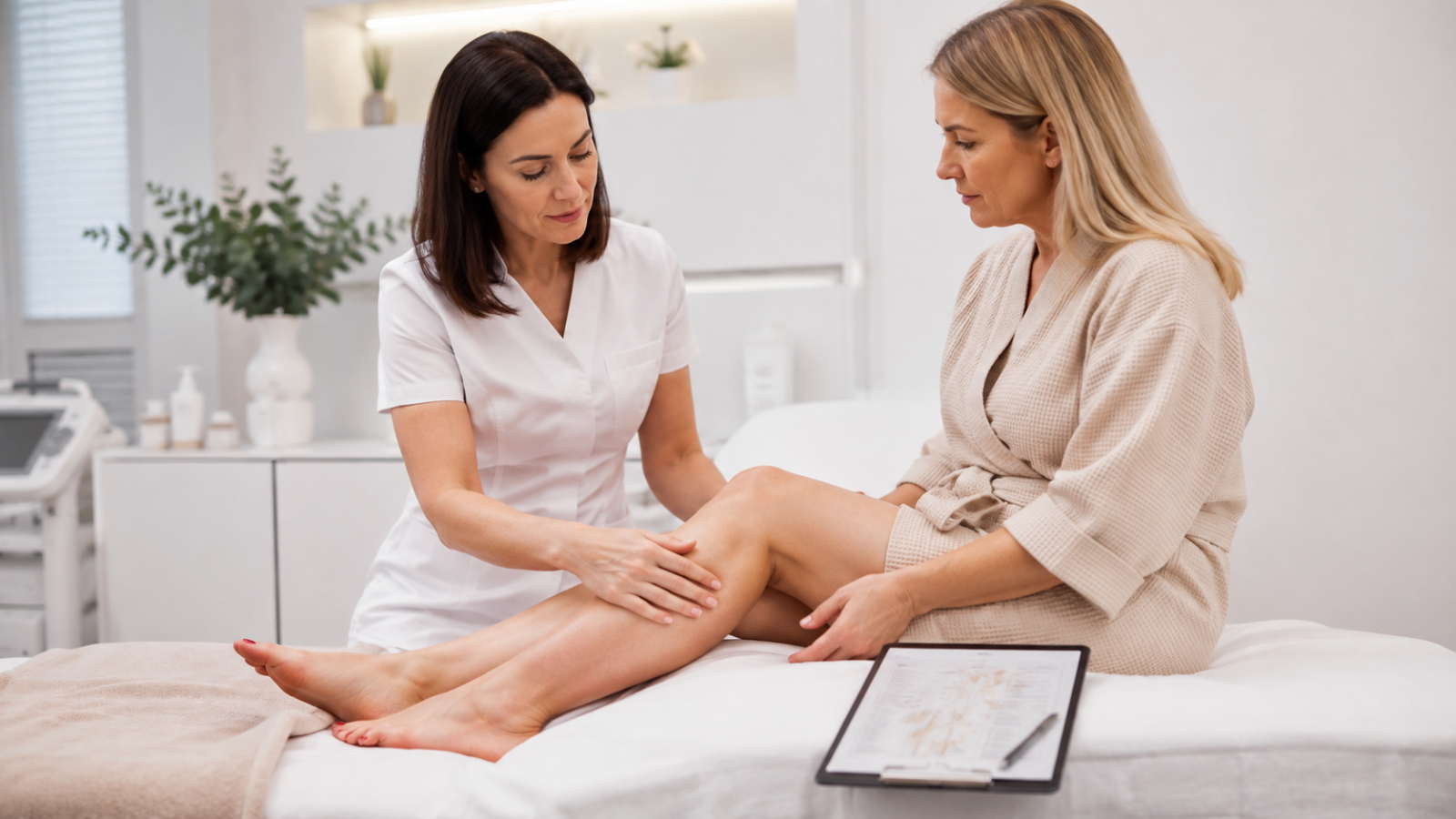
That does not automatically mean the session was ineffective. Aesthetic drainage can influence the condition of the tissue at a particular moment, while the lifestyle or health factors contributing to recurring swelling remain unchanged.
For a beauty professional, the correct response is not simply to increase suction or treatment intensity. The first task is to understand whether the concern belongs within aesthetic practice and then separate drainage needs from cellulite, reduced skin tone and localised fat.
Why water retention and swollen legs can return
Edema is swelling caused by excess fluid building up in body tissues. It commonly affects the feet, ankles and lower legs, although it may occur in other areas.
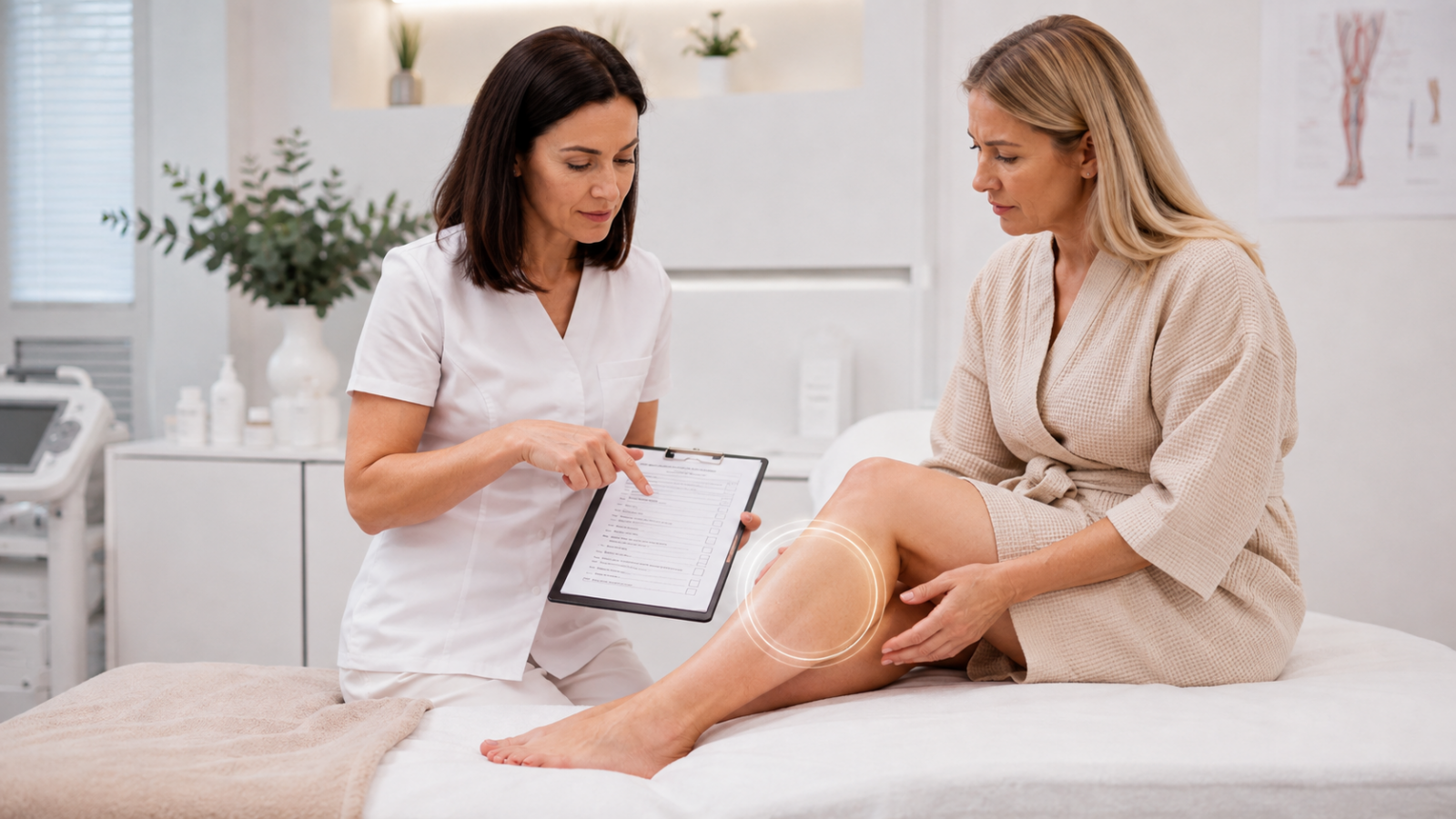
The MedlinePlus overview of edema lists several possible causes, including prolonged sitting or standing, high salt intake, hot weather, pregnancy, certain medications, venous or lymphatic problems and some heart, kidney or liver conditions.
In day-to-day life, clients may notice more swelling during hot weather, after long working days or during periods with very little movement. However, tissue appearance alone cannot reveal the medical cause.
A professional consultation should therefore explore when the swelling develops, whether it affects both legs, how long it lasts and whether pain or other symptoms are present.
When a body treatment should not go ahead
An aesthetic professional does not diagnose edema. Their responsibility is to identify situations in which treatment should be postponed and medical advice should come first.
Warning signs include:
-
sudden, severe or painful swelling;
-
unexplained swelling affecting only one leg;
-
redness, warmth or pronounced tenderness;
-
shortness of breath, chest pain or chest pressure;
-
leg pain and swelling after prolonged immobility;
-
rapidly increasing swelling of the face, abdomen or multiple areas.
The Mayo Clinic guidance on leg swelling and the NHS guidance on edema identify painful one-sided swelling, chest pain and breathing difficulty as symptoms requiring urgent medical assessment.
Recurring swelling without a clear explanation should also be discussed with a healthcare professional. A lymphatic drainage device is not a replacement for medical diagnosis or treatment.
Edema, cellulite and localised fat require different priorities
These concerns may change the shape or appearance of the same body area, but they are not interchangeable.
Edema involves fluid accumulation in the tissues and may fluctuate throughout the day.
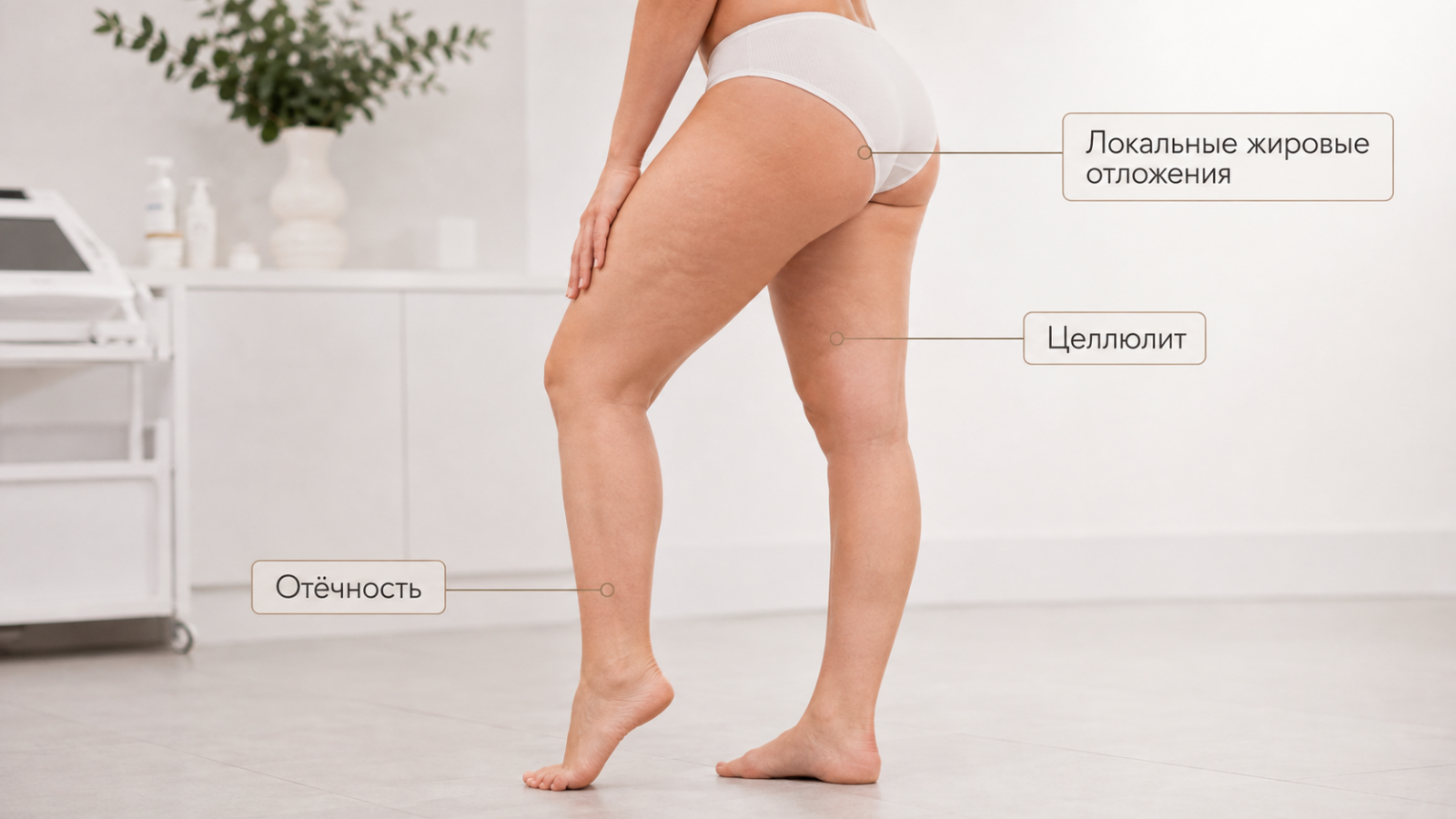
Cellulite changes the skin surface and involves subcutaneous fat and connective-tissue structures.
Localised fat refers to adipose tissue concentrated in areas such as the abdomen, waist, thighs or arms.
A client may present with all three. The treatment plan should still distinguish them. Lipolytic products do not treat the medical cause of edema, while drainage alone is not a complete body-contouring strategy.
Building a structured aesthetic protocol
A comprehensive protocol is not a collection of every available treatment. It is a sequence in which each stage has a defined purpose.
-
Consultation and screening. The professional reviews the pattern of swelling, tissue sensitivity, pain and other relevant symptoms.
-
Gentle drainage stage. This may be considered for heaviness and puffy tissue when there are no warning signs or contraindications.
-
Body-contouring stage. It is introduced when cellulite, reduced skin tone or localised fat are separate concerns.
-
Support stage. Professional skincare, treatment consistency and appropriate lifestyle guidance help support the aesthetic plan.
This structure makes the service easier to personalise and prevents the client from receiving the same high-intensity treatment regardless of tissue condition.
Theramagnetic MR 991 EVO: a focused device review
The Theramagnetic MR 991 EVO is a professional non-invasive face and body platform developed by the Italian manufacturer Mantis.
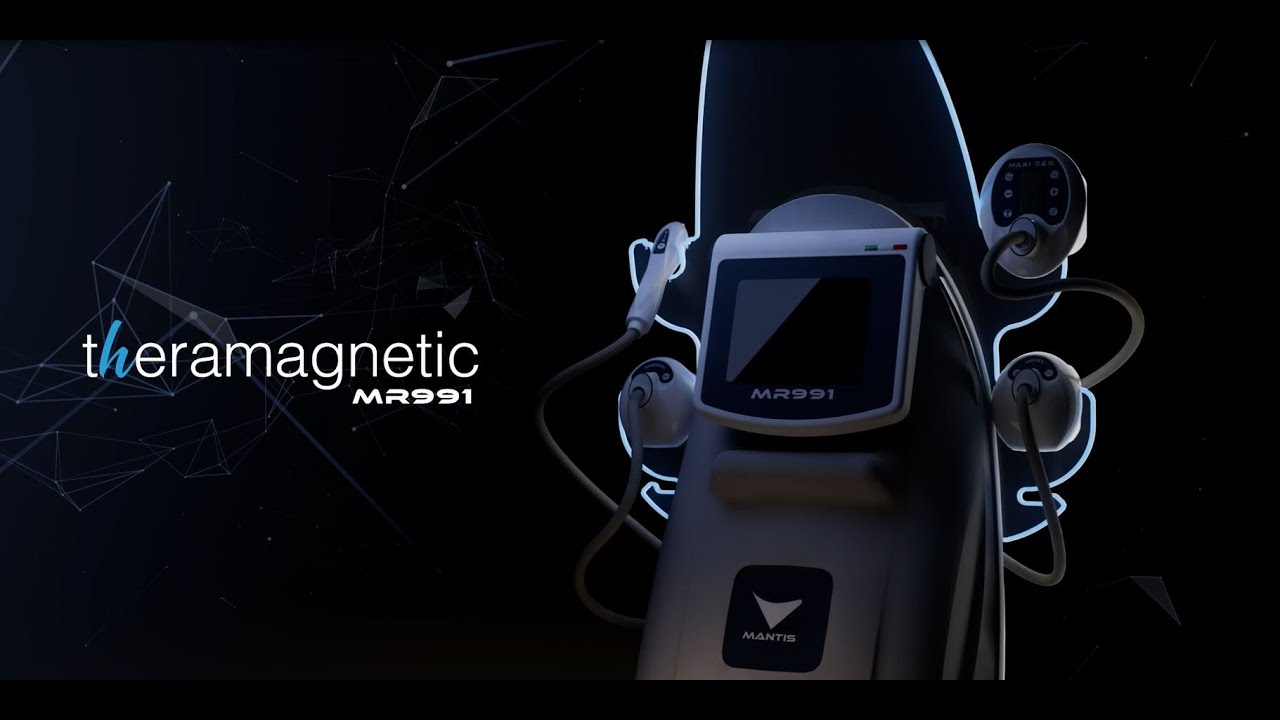
Within a water-retention protocol, it should be positioned as an aesthetic drainage, skin-care and body-contouring system rather than a treatment for a medical condition.
Professionals exploring this area can also read the LorEmA Estetic guide to device-assisted lymphatic drainage and biohacking.
-
D.E.S. technology
- According to the official Mantis presentation of MR991 Evolution, the patented D.E.S. — Dual Energy System combines mechanical treatment with stochastic-resonance magnetic microcurrents.
- The mechanical component, MRM — Mechanical Manipulation with Motorised Rollers, uses two bidirectional motorised rollers together with pulsed suction of the skin fold. The settings can be adapted to the body area, tissue condition and treatment goal.
- The energy component, CMPS — Stochastic Resonance Magnetic Microcurrents, complements the mechanical stage in programmes focused on the visible condition and tone of the skin.
These technologies should be described in aesthetic terms. It would be inappropriate to promise that the system treats venous disease, lymphatic disorders or other medical causes of swelling.
Four handpieces for different treatment areas
- MAXI DES is designed for larger areas such as the thighs and buttocks. It combines the motorised rollers, pulsed suction and CMPS in one handpiece.
- MINI DES offers a more compact format for the legs, arms and abdomen. This allows the professional to adapt the treatment more precisely across smaller areas.
- MAXENERGY uses magnetic microcurrents and may be incorporated as a separate or finishing stage.
- VIXO combines CMPS with micro-suction and is intended mainly for facial and décolleté protocols.
This range gives salons more flexibility without implying that every client needs every handpiece during one appointment.
Programmes relevant to drainage and body contouring
- SOFT DREN is the programme most directly associated with a gentle body-drainage objective. It may be considered when the client reports heaviness or puffy tissue and screening has not revealed a reason to postpone treatment.
- BODY CARE offers a more compact body protocol. When the assessment also identifies cellulite, reduced tone or localised volume, CONTOURING or BODY TIGHT may be introduced as separate stages.
Programme selection should be based on tissue assessment rather than on the assumption that all swollen legs require the same settings.
Why drainage should often precede contouring
A body area may appear larger because of a combination of fluid and adipose tissue. Starting with an intensive contouring protocol without clarifying the main concern can create unrealistic expectations.
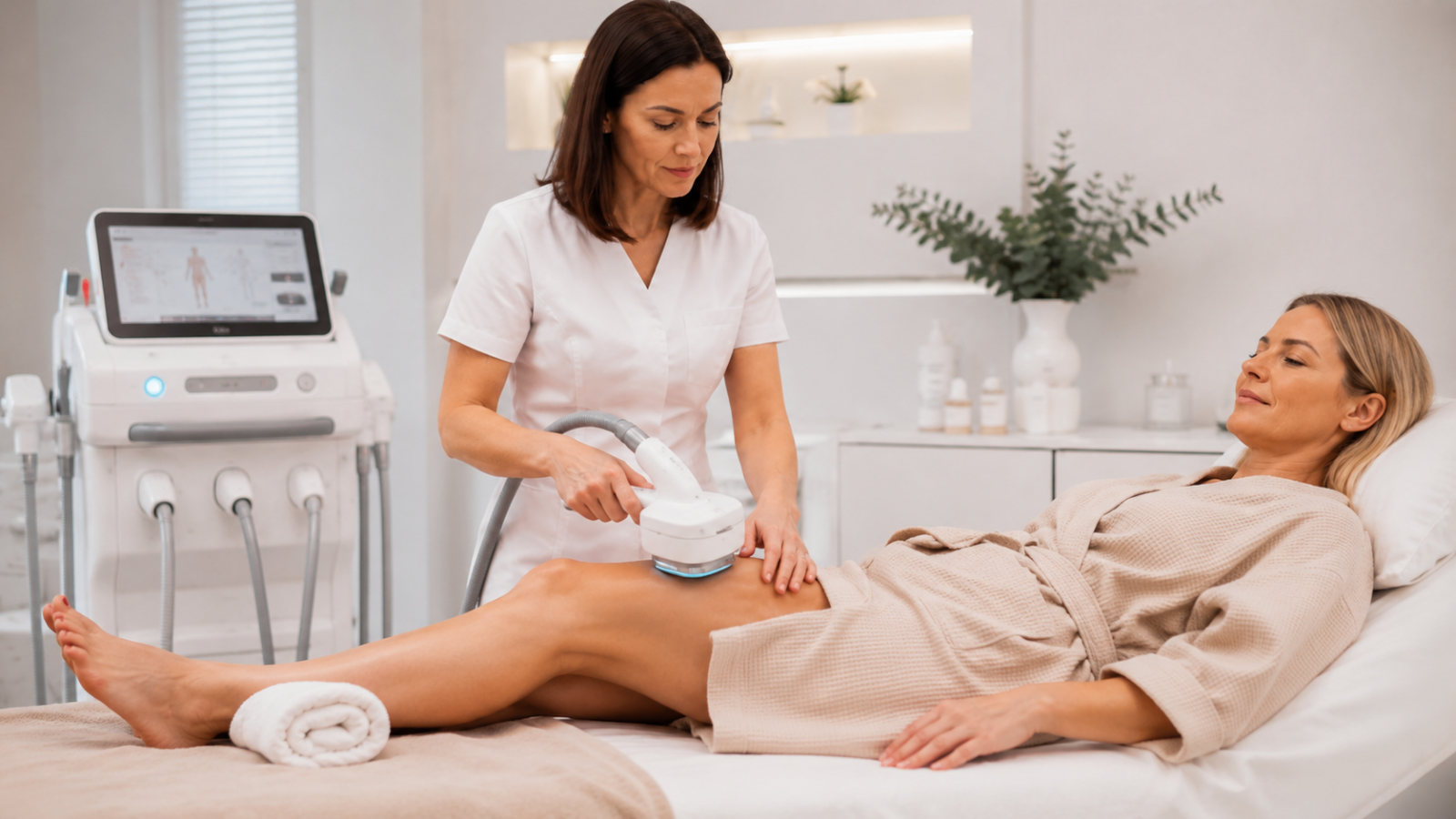
A more measured approach is to begin with a suitable drainage-oriented stage and review the tissue response. The professional can then decide whether cellulite, skin tone or localised fat require additional attention.
This sequence also makes it easier to explain that one device does not remove every possible cause of swelling.
Indirect lipolytic support with Institute BCN
When swelling appears alongside cellulite or less-defined body contours, a professional may consider the Institute BCN range as part of a broader body-care plan.
BCN Adipo is the most relevant product when discussing indirect lipolytic support. The official BCN Adipo product information lists caffeine, carnitine, fucus, ruscus, organic silica and glaucine.
Within an appropriate professional protocol, BCN Adipo may support services focused on cellulite appearance, skin tone and body contours. It is not a treatment for edema, and its use must follow the manufacturer’s instructions and the practitioner’s permitted scope.
BCN Lipid-Peptides has a different formulation. The official BCN Lipid-Peptides information lists phosphatidylcholine and sodium deoxycholate alongside caffeine, carnitine and peptides.
For that reason, it should not be automatically classified as an indirect lipolytic. It is a separate professional contouring product and should not be presented as a solution for water retention.
An example of treatment sequencing
The first appointment should establish whether the concern is appropriate for an aesthetic service. Sudden, painful, one-sided or unexplained swelling requires medical assessment before treatment.
When screening does not identify contraindications, the professional may begin with SOFT DREN or BODY CARE. Tissue response is reviewed before adding CONTOURING, BODY TIGHT or another targeted stage.
BCN Adipo may complement an anti-cellulite or body-contouring service when the skin condition and client goal make it appropriate. Other products should be selected separately according to their formulation and official instructions.
Between appointments, regular movement and compliance with medical advice may influence how well the aesthetic result is maintained. An aesthetic professional should not prescribe diuretics or alter medication.
Business value for salons and clinics
For a beauty salon, aesthetic clinic or independent practice, MR 991 EVO can support several service categories:
-
gentle aesthetic drainage and body-care protocols;
-
contouring services for the abdomen, waist, thighs, buttocks and arms;
-
facial and décolleté services with the VIXO handpiece;
-
integration of device-based stages with professional skincare;
-
personalised treatment plans rather than one standard service for every client.
The value of the platform lies in protocol flexibility, not in promises of guaranteed weight loss or permanent elimination of swelling.
LorEmA Estetic supports professionals in Chișinău and across Moldova with device selection, professional product guidance and planning how a new service can be integrated into an existing treatment menu.
FAQ
Why do swollen legs return after lymphatic drainage massage?
The treatment may temporarily improve tissue comfort without changing every factor contributing to water retention. Inactivity, salt, heat or an underlying health condition may cause swelling to return.
Can a lymphatic drainage device remove water retention on its own?
It may form part of an aesthetic protocol, but it does not replace medical diagnosis or treatment.
How is MR 991 EVO different from standard vacuum massage?
MR 991 EVO combines motorised rollers, pulsed suction and stochastic-resonance magnetic microcurrents. It also includes several handpieces for different face and body areas.
Which areas can be treated with MR 991 EVO?
Depending on the selected handpiece and protocol, the system can be used on the legs, abdomen, waist, thighs, buttocks, arms, face and décolleté.
Is BCN Adipo a treatment for edema?
No. BCN Adipo may complement professional cellulite and body-contouring protocols, but it does not treat the cause of edema.
Can MR 991 EVO be combined with Institute BCN products?
A trained professional may combine them when the tissue condition, treatment goal, contraindications, device settings and product instructions have all been considered.
Conclusion
Water retention and recurring swollen legs require a more careful approach than simply repeating the same treatment. A professional protocol begins by identifying warning signs, then separates drainage needs from cellulite, skin-tone and localised-fat goals.
Theramagnetic MR 991 EVO offers several handpieces and programmes for aesthetic drainage, body contouring and skin care. Institute BCN products can complement protocols focused on cellulite, tone and contour, but neither the device nor professional cosmetics should be marketed as a treatment for the medical causes of edema.
Professionals considering Theramagnetic MR 991 EVO for a salon or clinic and selecting professional Institute BCN products can contact LorEmA Estetic for guidance on implementing the solution in Moldova.
