Next-generation basic cosmetology courses in Chișinău
Lorema Estetic
A traditional basic cosmetology course was often centred on cleansing, facial massage, masks and skin-type identification. Those skills remain important, but they are no longer enough to prepare a specialist for today’s aesthetic industry.
Clients expect clearer explanations, personalised protocols and responsible use of technology. Beauty studios increasingly offer device-based treatments, while practitioners must understand safety, contraindications, referral boundaries and professional communication.
The LorEmA basic cosmetology course is designed as a complete progression rather than a collection of unrelated workshops. The program includes 145 training hours, 45 lessons, 3 levels and 14 modules, covering anatomy, classic protocols, advanced devices, clinical management, personal branding and business strategy.
What does next-generation cosmetology training mean?
It means learning in a logical sequence.
A student first develops a scientific and safety-focused foundation. Only then do they move on to practical treatments, device settings, advanced protocols and client management.
The learning path includes:
-
Facial anatomy and skin physiology.
-
Hygiene, infection control and emergency response.
-
Skin assessment and classic treatments.
-
Hands-on device-based cosmetology.
-
Practical examinations.
-
Client communication, marketing and business development.
This structure helps students understand why a protocol is selected instead of simply memorising a series of movements.
Anatomy as the foundation of safe practice
The skin is composed of the epidermis, dermis and hypodermis. Each layer has a distinct structure and function, as explained in the NCBI overview of skin anatomy.
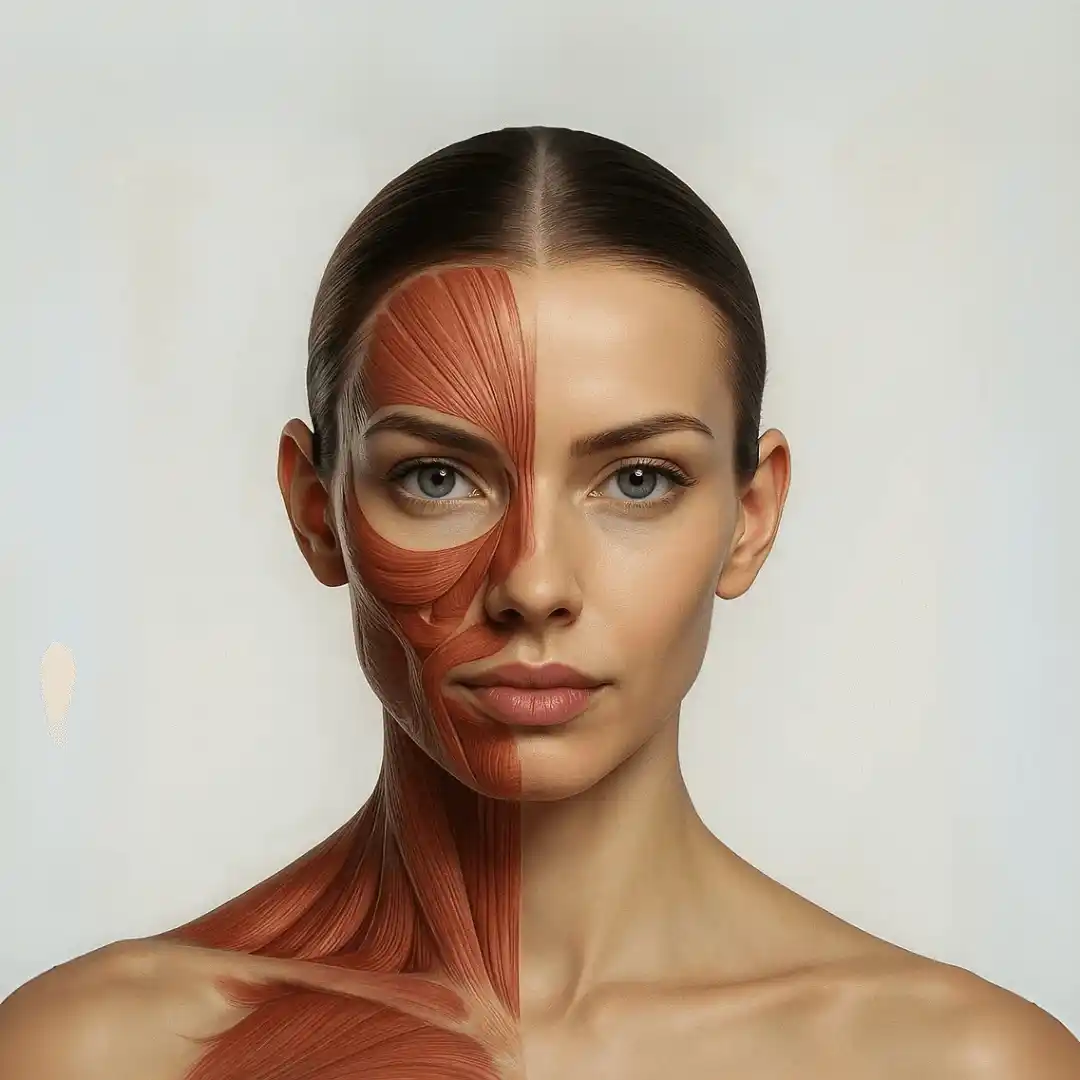
Students study:
-
layered facial anatomy;
-
facial and masticatory muscles;
-
major vascular and nerve pathways;
-
lymphatic drainage of the face and neck;
-
epidermal barrier physiology;
-
collagen and elastin structures;
-
melanogenesis and skin phototypes;
-
chronological and photo-induced ageing.
Understanding these structures is essential when working with massage, exfoliation, microneedling, radiofrequency and other energy-based methods.
Level 1. Basic cosmetology and classic protocols
The first level combines theory, supervised practice and a practical skills assessment.
Hygiene, infection control and first aid
The safety module covers:
-
treatment-room organisation;
-
aseptic and antiseptic principles;
-
instrument classification;
-
surface disinfection;
-
sterilisation;
-
infection prevention;
-
client documentation;
-
allergic reactions;
-
anti-shock kit preparation;
-
cardiopulmonary resuscitation practice on a mannequin.
The importance of hand hygiene is outlined in the World Health Organization’s hand-hygiene guidance, while the CDC disinfection guidance explains the principles behind different disinfection methods.
Emergency-response training is aligned with current principles described in the European Resuscitation Council Guidelines 2025.
Skin assessment and professional boundaries
Students explore the visible characteristics of acne, rosacea, couperose, pigmentation, seborrhoea, excessive sensitivity, skin infections and perspiration disorders.
The goal is not to train non-medical aestheticians to diagnose disease. It is to help them:
-
collect relevant client history;
-
perform an organised aesthetic assessment;
-
recognise warning signs;
-
select appropriate non-invasive protocols;
-
refer the client to a physician when necessary.
Classic hands-on techniques
Practical sessions include:
-
make-up removal and cleansing;
-
toning;
-
manual and ultrasonic facial cleansing;
-
superficial chemical peels;
-
classic facial massage;
-
lymphatic-drainage techniques;
-
alginate and hydrogel masks;
-
professional and home-care selection.
Students learn to adapt each protocol to the client’s current skin condition rather than relying on a single routine for every skin type.
Introduction to device-based cosmetology
The first level also introduces:
-
diamond microdermabrasion;
-
cosmetic oxygenation;
-
facial radiofrequency;
-
vacuum massage;
-
needle-free mesotherapy;
-
Dermapen microneedling;
-
cartridge and depth selection.
The level concludes with a supervised practical examination based on assessment, protocol selection and hands-on execution.
Level 2. Advanced devices, trichology and specialised protocols
The second level prepares students for technologies commonly used in modern aesthetic studios.
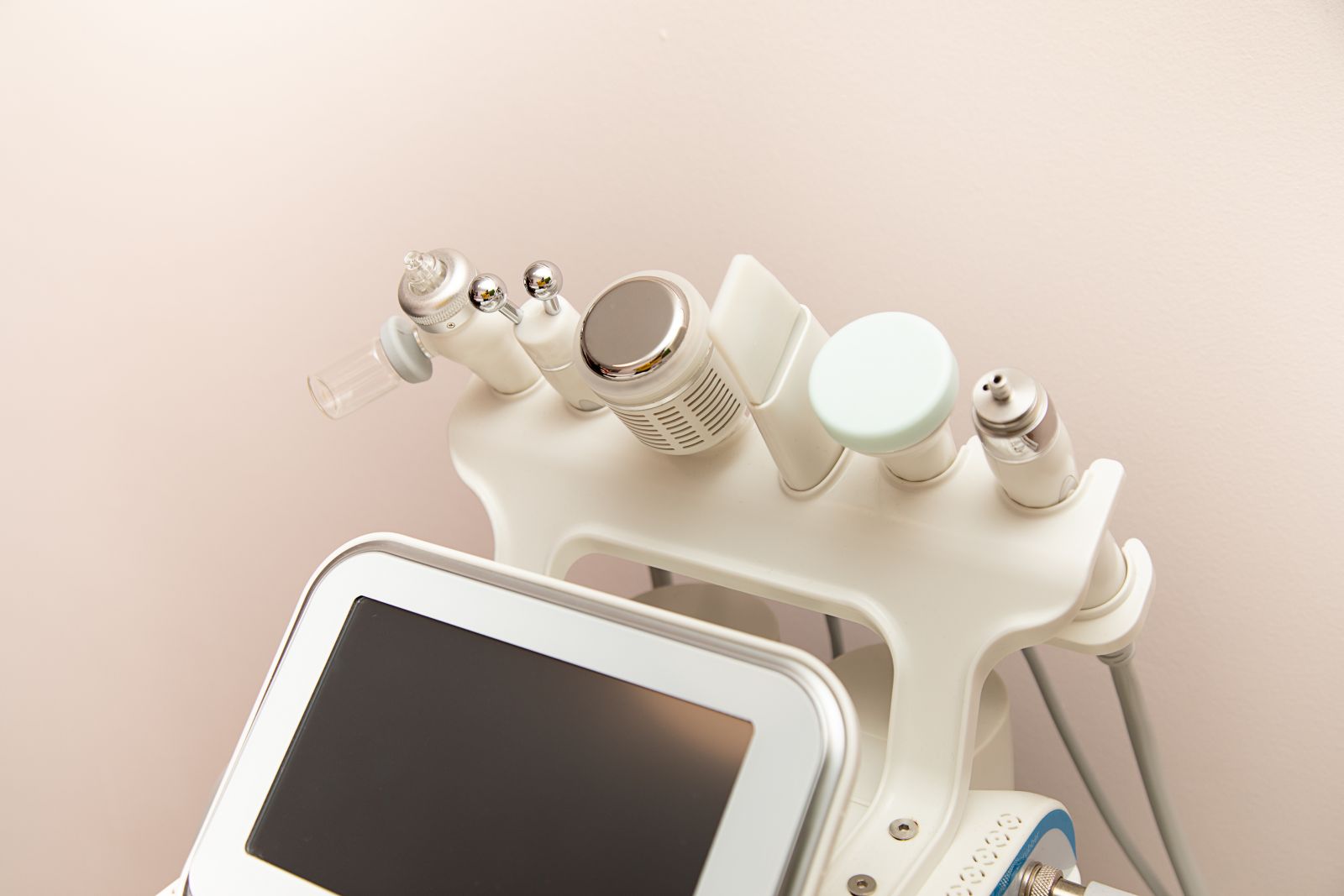
Topics include:
-
hair-growth cycles;
-
different forms of alopecia;
-
introductory trichoscopy;
-
NeoFrax microneedle RF;
-
AquaTide hydropeeling;
-
JetPeel gas-liquid technology;
-
laser physics;
-
Black Mamba diode laser hair removal;
-
lipolytic protocols;
-
BB Glow;
-
equipment preparation and parameter selection.
The objective is not simply to switch on a device. Students learn to consider skin phototype, sensitivity, contraindications, treatment area and the limits of each technology.
Professional equipment categories are available in the LorEmA cosmetology devices section.
Level 3. Biohacking, clinical management and business strategy
The final level expands the course beyond standard entry-level cosmetology.
Advanced anatomy and complication awareness
Students take part in an advanced topographic-anatomy intensive focused on layered tissues, vascular structures, nerves and facial risk zones.
The complication-management module discusses:
-
vascular reactions;
-
infection-related complications;
-
fibrosis;
-
delayed allergic responses;
-
case documentation;
-
communication during difficult situations;
-
timely referral to medical professionals.
Integrative aesthetic concepts
The curriculum introduces the relationship between lifestyle, metabolism and visible skin condition.
Students explore:
-
the gut–skin connection;
-
glycation;
-
chronic inflammation;
-
aesthetic nutrition;
-
ozone-based protocols;
-
cellular biohacking with Mantis MR991 Evo.
Independent use of medical or invasive methods must always reflect the practitioner’s education, formal qualifications and applicable professional regulations.
Building a sustainable beauty practice
Technical skill is only one part of a successful career. Students also work on:
-
ethical client communication;
-
objection handling;
-
presenting treatment packages without pressure;
-
recommending home care;
-
client retention;
-
annual treatment planning;
-
professional content creation;
-
social media;
-
personal branding;
-
moving from practitioner to beauty-business owner.
Additional areas of professional development can be found in the LorEmA cosmetology training section.
Who is the course designed for?
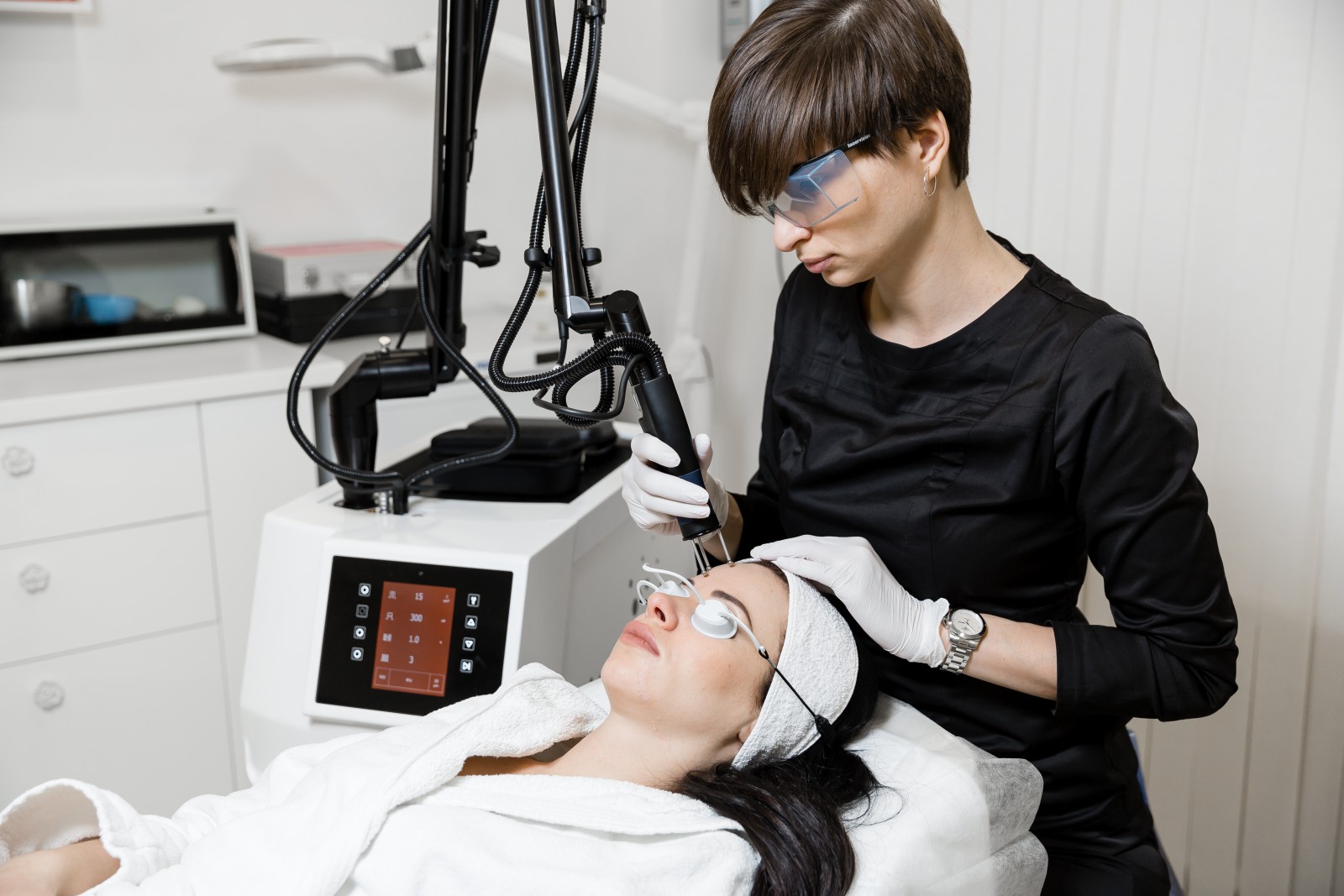
The program may be suitable for:
-
complete beginners entering the beauty industry;
-
beauty professionals adding a new specialisation;
-
practising aestheticians seeking a stronger theoretical foundation;
-
specialists interested in device-based cosmetology;
-
salon owners who want to understand procedures and equipment;
-
practitioners developing a personal brand or private studio.
A medical degree is not a general entry requirement for the basic program. However, the treatments a graduate may perform independently depend on their qualifications and the regulations applicable to their professional activity.
What is included in the complete program?
The training package includes:
-
145 hours of education;
-
45 theoretical and practical lessons;
-
3 progressive levels;
-
14 modules;
-
practice on models and fellow students;
-
professional cosmetic products;
-
hands-on work with modern devices;
-
learning materials;
-
intermediate practical assessments;
-
a final examination;
-
case-study presentation;
-
marketing, sales and business modules.
According to the program conditions, the state-format diploma is awarded only after completing the entire curriculum and passing the final examination.
2026 course fees
The price depends on the payment date:
-
payment from July 1 to July 30, 2026 — €2,500;
-
payment from August 1 to August 31, 2026 — €3,000;
-
payment in September 2026 — €3,500.
Paying in July reduces the cost by €1,000 compared with paying in September.
How to choose a strong cosmetology course
Before enrolling, look beyond the course price and duration. Check whether the program includes:
-
detailed anatomy and physiology;
-
hygiene and emergency-response training;
-
supervised practice on models;
-
practical examinations;
-
contraindications and complication awareness;
-
hands-on device training;
-
clear professional boundaries;
-
recognised completion requirements;
-
marketing and client-management skills.
A responsible training centre will not promise instant success. It should provide a structured foundation that students can strengthen through practice, continuing education and professional discipline.
Why study with LorEmA?
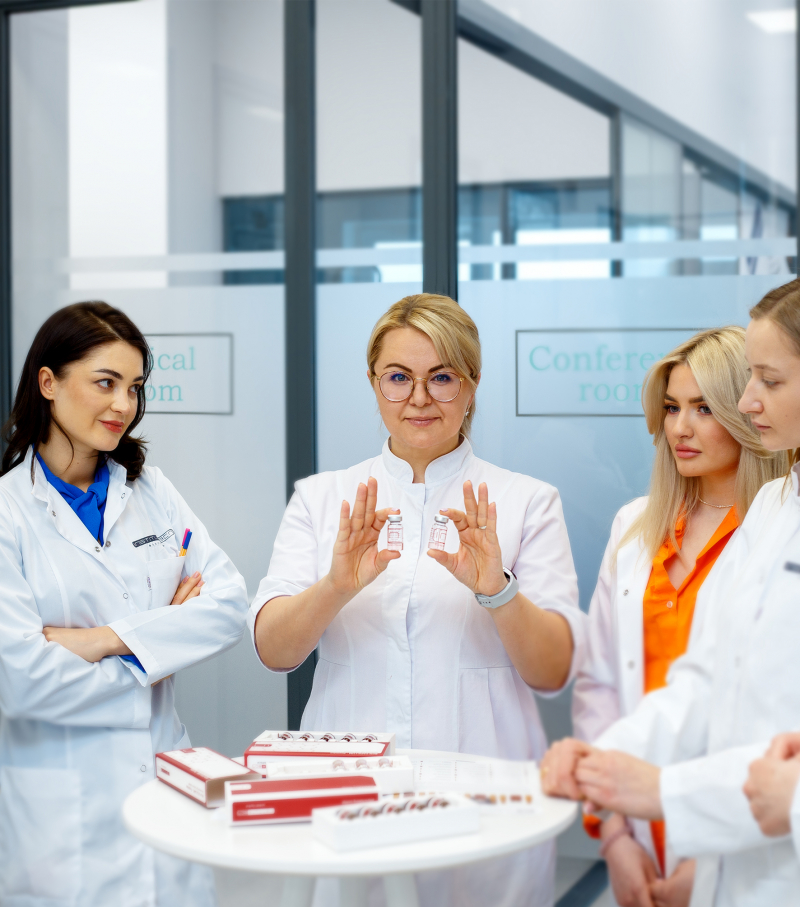
LorEmA Medical Training Center combines education with professional knowledge of aesthetic devices and cosmetic products.
This allows students to see the complete working process: assessing the skin, choosing products, preparing equipment, performing a protocol, communicating with the client and planning follow-up care.
The course is designed to develop practitioners who understand what they are doing, recognise the limits of their competence and can build their professional development step by step.
Frequently asked questions
Can I study cosmetology with no previous experience?
Yes. The program begins with anatomy, physiology, hygiene and basic skin assessment before progressing to practical treatments and devices.
Is a medical degree required?
A medical degree is not required for general admission to the basic course. However, the scope of independent practice depends on the graduate’s qualifications and applicable regulations.
How long is the program?
The complete curriculum includes 145 hours, 45 lessons and 14 modules divided into 3 levels.
Will I practise with professional devices?
Yes. The curriculum introduces multifunctional platforms, Dermapen, RF technologies, hydropeeling systems, laser hair-removal equipment and other methods listed in the program.
When is the diploma awarded?
The diploma specified by the program is awarded after all modules have been completed and the final examination has been passed.
When is the lowest course price available?
The lowest fee applies to payments made between July 1 and July 30, 2026: €2,500.
A strong career begins with a strong foundation
Next-generation cosmetology education is not about learning as many procedures as possible in the shortest time. It is about understanding anatomy, working safely, developing practical confidence and learning how to grow professionally.
For anyone searching for basic cosmetology courses in Chișinău, the LorEmA program offers a structured progression from essential theory to hands-on devices, client management and beauty-business strategy.
