Cosmetologist Career in 2027: Earnings and the Most Promising Specializations
Lorema Estetic
A cosmetologist career in 2027 can extend far beyond cleansing, peels and conventional facial care. Modern professionals can specialize in laser hair removal, body aesthetics, RF technologies, laser resurfacing, advanced skin care or scalp-focused procedures.
The financial model is evolving as well. Earning potential increasingly depends on specialization, qualifications, treatment value, client volume and the ability to retain clients over time.
That means anyone considering a cosmetologist career should ask two questions: how much can I earn, and which field can support a sustainable professional position in Moldova in 2027?
Cosmetologist career in 2027: why specialization matters
Professional aesthetics is becoming increasingly technology-driven.
.png)
According to the ISAPS Global Survey 2024, plastic surgeons reported more than 20.5 million non-surgical aesthetic procedures worldwide. Hair removal and non-surgical skin tightening were among the most frequently performed categories.
These are international figures and should not be treated as Moldovan market statistics. They do, however, illustrate the broader direction of modern aesthetics.
For practitioners, the shift creates more distinct career paths:
-
laser hair removal;
-
body contouring;
-
advanced anti-age technologies;
-
skin-quality programmes;
-
scalp care and aesthetic trichology.
A professional known for solving a specific type of aesthetic need is easier for clients to understand and remember than a practitioner offering a very long list of unrelated treatments.
How much can a cosmetologist earn in Moldova?
There is no single official national salary figure covering every type of cosmetologist.
As a general benchmark, the average gross monthly salary in Moldova was MDL 16,895.7 in the second quarter of 2026, according to the National Bureau of Statistics.
Current beauty-sector vacancies demonstrate how widely income can vary.
A July 2026 Chișinău vacancy for an esthetician/cosmetologist working with hair-removal services offered MDL 10,000–15,000 per month.
A September 2026 vacancy for an experienced medical cosmetologist with higher medical education and laser and injection experience offered MDL 20,000–40,000.
These are examples of job offers rather than an official industry average. They nevertheless demonstrate a useful principle: qualifications and specialization can materially affect the income ceiling.
Three ways a cosmetologist career can generate income
An employed practitioner normally receives a fixed salary, commission or a combination of both. This reduces the need to finance premises, equipment and customer acquisition independently.
An established independent cosmetologist relies more heavily on their personal client base. Repeat appointments, retention and professional reputation become particularly important.
A salon or clinic owner has a different model again. Potential turnover may be larger, but rent, equipment, consumables, payroll, servicing, marketing, training and taxes all have to be deducted.
This is why revenue should never be confused with personal earnings, and why no professional device can realistically guarantee a fixed monthly income.
Which cosmetology specializations look promising for 2027?
.png)
|
Specialization |
Professional advantage |
Repeat visits |
Entry level |
|
Laser hair removal |
broad, easy-to-understand service |
high |
medium |
|
Body aesthetics |
programme-based body services |
high |
medium |
|
RF microneedling |
advanced skin and anti-age positioning |
course-based |
higher |
|
Laser resurfacing |
strong expert niche |
course-based |
high |
|
Comprehensive skin care |
regular client relationship |
high |
basic–medium |
|
Scalp care |
narrower specialist positioning |
high |
protocol-dependent |
1. Laser hair removal: a clear recurring-service model
Laser hair removal is attractive professionally because the client journey is generally built around a series of sessions rather than one isolated visit.
This creates an opportunity to develop a stable base of repeat clients.
LorEmA Estetic offers the Asclepion MeDioStar Monolith diode laser for professional laser hair removal.
.png)
MeDioStar systems include handpiece configurations operating at 810/940 nm for professional applications.
For the practitioner, however, the competitive advantage is not the device alone. It is the ability to consult correctly, choose suitable parameters, understand limitations and manage the client's treatment course safely.
2. Body aesthetics and biohacking-oriented services
Body contouring is moving beyond the idea of one anti-cellulite procedure.
Practices can instead develop broader programmes around body aesthetics, tissue quality, drainage and wellness.
.png)
The Mantis Theramagnetic MR 991 EVO combines motorised mechanical rollers with stochastic-resonance magnetic microcurrents within the manufacturer's D.E.S. Technology concept.
Mantis also positions the system in the broader context of biohacking and longevity.
For a beauty business, the main opportunity is to create a recognisable body-aesthetics service line rather than adding another disconnected treatment.
3. RF microneedling and non-surgical lifting
Practitioners interested in more advanced skin technologies may consider RF microneedling.
NeoFrax combines microneedles with radiofrequency energy.
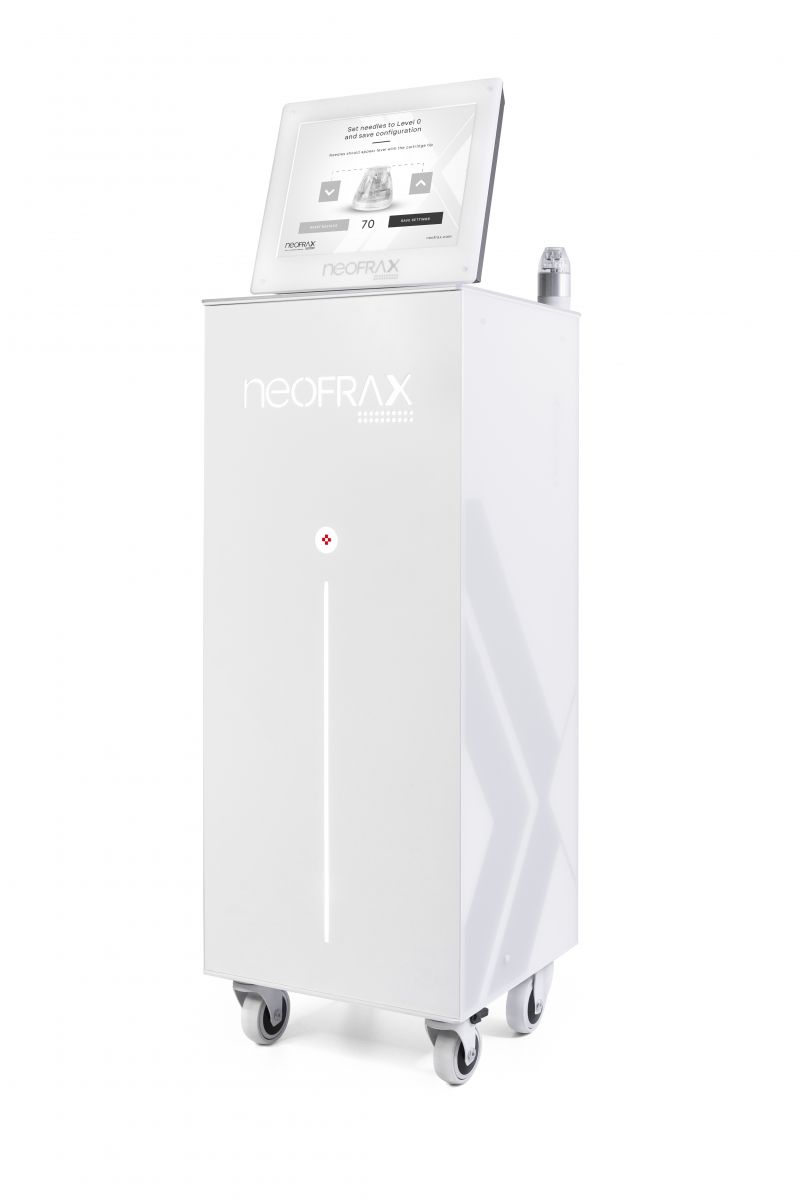
The wording matters: RF microneedling is non-surgical, but it is not completely non-invasive because the needles penetrate the skin.
In October 2025, the FDA issued a safety communication after reports of serious complications with certain RF microneedling uses and advised patients to seek appropriately licensed and trained providers.
This illustrates an important shift in the cosmetologist career: as devices become more sophisticated, professional training and correct scope of practice become increasingly valuable.
4. Laser resurfacing and rejuvenation
Laser skin resurfacing represents an even more advanced specialization.
The Asclepion DermaBlate is an Er:YAG platform designed for ablative and fractional applications.
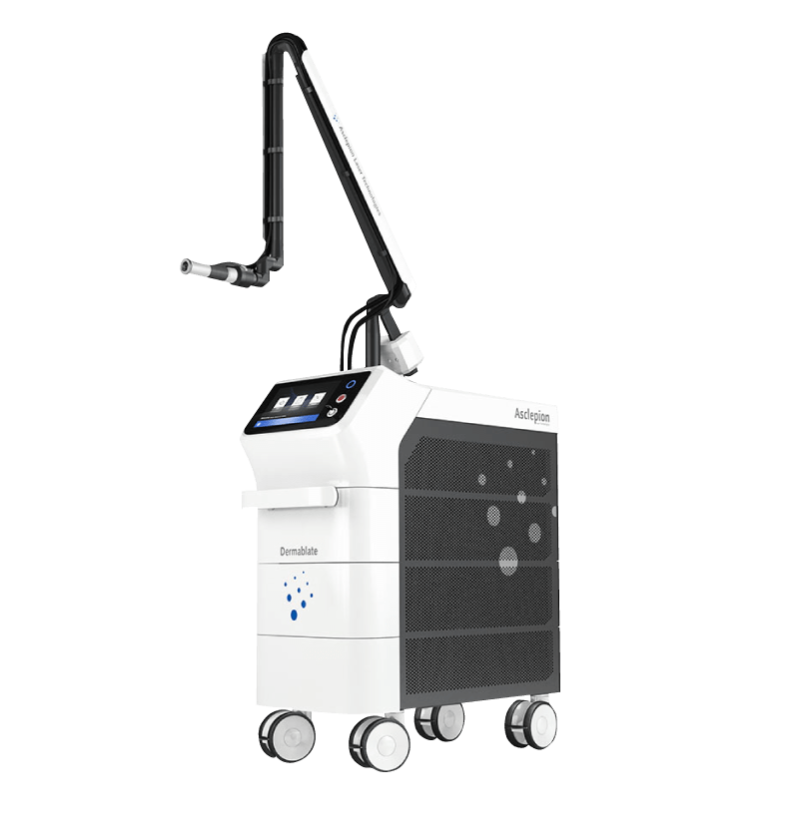
Asclepion's technical documentation specifies a 2940 nm wavelength for the system.
For an appropriately qualified practitioner or clinic, this type of technology can create a very different position from a practice based exclusively on general facial care.
The higher degree of tissue interaction also means that qualifications, manufacturer protocols and local professional requirements must be treated seriously.
5. Comprehensive skin care and client retention
Not every successful cosmetologist needs to focus on the most intensive technology.
Regular professional skin care can provide one of the strongest foundations for client retention.
Mantis AquaTight combines aqua-peeling, monopolar and bipolar radiofrequency and mesoporation.
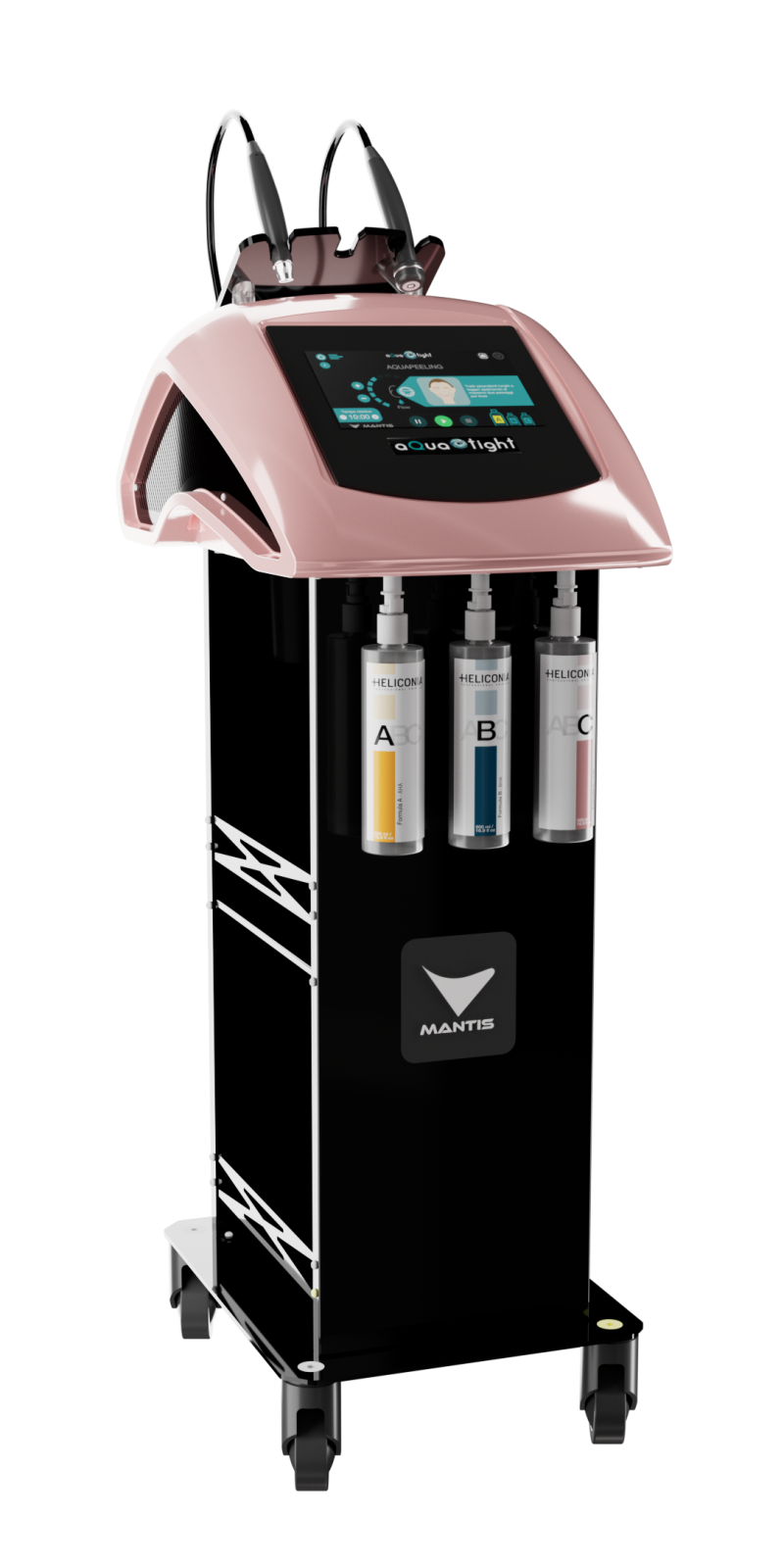
Mantis describes the system as a three-stage concept involving sequential-acid cleansing with suction, radiofrequency and mesoporation.
For a practitioner, comprehensive skin care can become the recurring core of the client relationship, while more specialised procedures are added when appropriate.
6. Scalp care and aesthetic trichology
Scalp-focused aesthetics offers a narrower professional niche outside the highly competitive general facial-treatment market.
LorEmA provides professional Dermapen systems for microneedling and BCN Capillum-Peptides for professional scalp-care protocols.
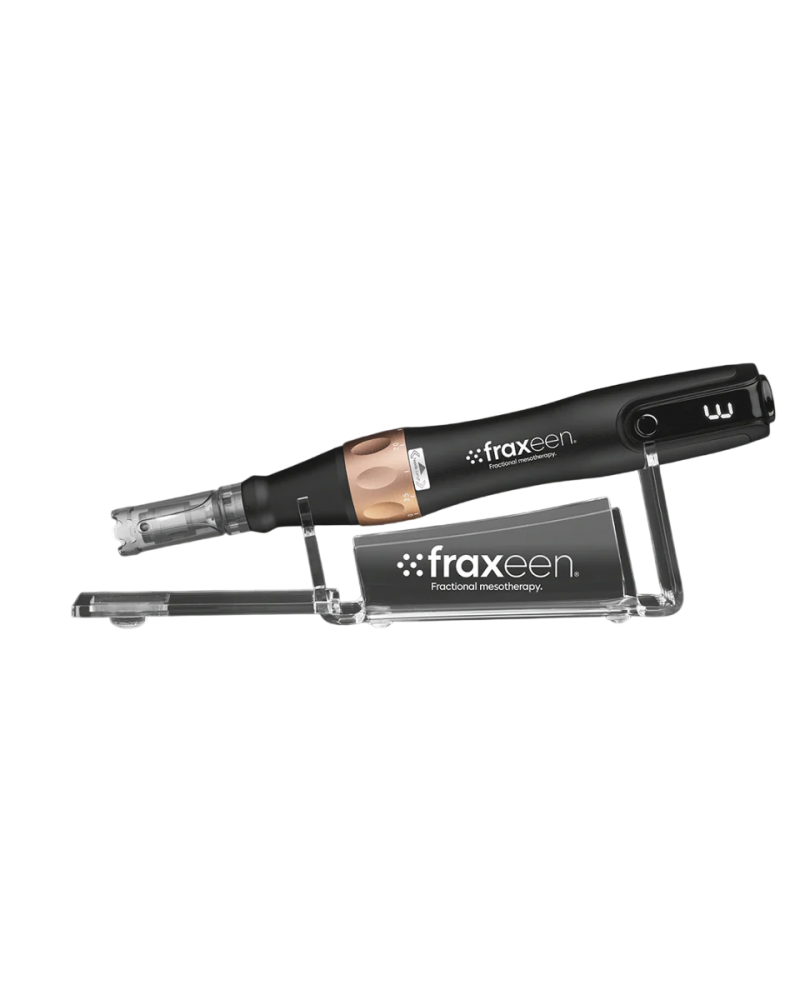
It is important not to present cosmetic scalp procedures as a universal treatment for hair loss.
Alopecia can have different causes, some of which require medical diagnosis. A meta-analysis of 13 randomized trials involving 696 participants reported favourable outcomes for combined microneedling approaches in androgenetic alopecia on several measured parameters. PubMed meta-analysis on microneedling and androgenetic alopecia
For practitioners working within an appropriate professional scope, scalp care can provide a valuable specialist position.
How to choose a specialization in 2027
Before investing in professional equipment, consider five questions:
-
Who is the target client?
-
Does the service naturally generate repeat appointments?
-
How much training does the technology require?
-
Is the procedure appropriate for your professional qualification?
-
Does it strengthen the current treatment menu or simply make it longer?
A beginner normally benefits more from education and practical experience before purchasing expensive equipment.
An established salon should approach the decision differently: assess existing clients and demand first, then choose a technology that supports a clear business direction.
What will define a higher-earning cosmetologist?
(1).png)
Three factors are likely to matter more than the number of certificates on the wall.
Specialization. Clients know what the professional is particularly good at.
Technology competence. The practitioner understands protocols, parameters, limitations and safety rather than simply knowing how to switch a device on.
Client retention. The practice is supported by returning clients, not exclusively by continuous paid acquisition.
This creates a more sustainable professional model.
Safety and scope of practice are part of the career
As a cosmetologist career becomes more technology-driven, professional boundaries become more important.
Before introducing a laser, RF microneedling, microneedling or another advanced device, practitioners should verify manufacturer requirements, contraindications, training requirements and the applicable regulatory framework in Moldova.
Professionalism includes knowing not only how to perform a treatment, but when it should not be performed.
FAQ
Is a cosmetologist career worth pursuing in 2027?
A cosmetologist career can offer good development opportunities for professionals who build a clear specialization, continue training and retain clients. High income, however, is never guaranteed simply by completing one course.
How much can a cosmetologist earn in Chișinău?
Income varies widely. Recent 2026 vacancies ranged from MDL 10,000–15,000 for one esthetician position to MDL 20,000–40,000 for an experienced medical cosmetologist. These are job examples, not an official average.
Which cosmetology field has the most potential?
There is no single winner. Laser hair removal has a broad audience, body aesthetics supports recurring programmes, and RF and laser technologies can support more advanced expert positioning.
Can regular skin care still be profitable?
It can form a strong recurring-service base when a practitioner has good client retention and well-structured professional protocols.
Should a beginner buy equipment immediately?
Not necessarily. Education and experience should normally come first. Equipment makes more sense when the practitioner has chosen a specialization and understands the target client.
Can every advanced device be used without medical training?
No. Requirements differ by technology, procedure and jurisdiction. The professional scope must be checked before advanced laser, RF or microneedling services are introduced.
Cosmetologist career in 2027: build expertise, not just a longer menu
A cosmetologist career is becoming more specialized and more technology-driven.
One professional may focus on laser hair removal with MeDioStar Monolith. Another may build a body-aesthetics practice around MR 991 EVO, develop RF expertise with NeoFrax, specialise in resurfacing with DermaBlate, build recurring skin-care programmes around AquaTight or develop scalp protocols with Dermapen and BCN Capillum-Peptides.
There is no need to implement every technology at once.
A stronger strategy is to select one or two professional directions, develop genuine competence and build a client base around them.
LorEmA Estetic helps beauty professionals, salons and clinics in Moldova select professional technologies according to the services and specializations they want to develop.
